Unlock Your Vision: The Ultimate Guide to Lenses in Photography and Life
Lenses fundamentally shape how we see the world, both literally and figuratively. Whether mounted on your camera or perched on your nose, the right lens brings clarity, detail, and perspective to otherwise ordinary moments. Understanding different types unlocks incredible creative potential.
In photography, a camera lens acts as the eye of your device. Light enters through its glass elements, gets focused, and projects an image onto the sensor. Choosing between a wide-angle, telephoto, or standard lens dramatically alters results. Want sweeping landscapes that capture vast mountain ranges? A wide-angle lens, perhaps fisheye, is your go-to. Capturing distant wildlife or sports action requires a telephoto lens packing significant reach. The versatile standard lens (around 50mm on full frame) offers a natural perspective ideal for portraits, street photography, and everyday scenes. Prime lenses (fixed focal length) often deliver sharper images and wider apertures (like f/1.4 or f/1.8) for beautiful background blur (bokeh), excelling in low light. Zoom lenses offer incredible flexibility without changing optics – perfect for travel and dynamic situations.
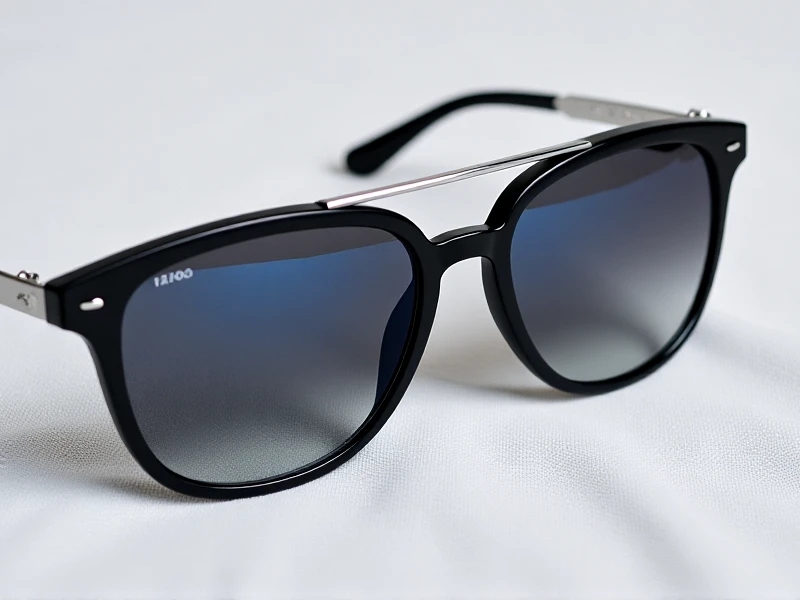
Beyond photography, lenses are integral to optical science and eyewear. Eyeglass lenses correct vision – concave for myopia (nearsightedness), convex for hyperopia (farsightedness). Premium options include anti-reflective coatings, blue light filtering for digital device users, and photochromic lenses that transition from clear indoors to sunglasses outdoors. Contact lenses provide vision correction directly on the eye's surface, offering freedom from frames. Specialized lenses like loupes magnify tiny details for jewelers, watchmakers, and scientists.
Modern lenses incorporate advanced materials and technology. Aspherical lens elements minimize distortion compared to traditional spherical designs. ED (Extra-low Dispersion) glass reduces chromatic aberration (color fringing) for pristine images. Weather-sealing protects camera lenses from dust and moisture. Optical engineers constantly refine coatings to minimise lens flare, ghosting, and enhance light transmission.
Selecting the optimal lens depends entirely on your needs. Photographers consider focal length, aperture range, image stabilization, and intended subjects. Choosing eyewear involves prescription type, lifestyle activities, frame compatibility, and protective features. Consulting professionals – opticians for visual health, experienced photographers for gear – ensures you get lenses perfectly suited to enhance your view of the world.
Understanding lenses empowers you to capture breathtaking photographs, see with perfect clarity, or magnify the minutiae. They are transformative tools bridging art, science, and enhanced vision. Curious how different lenses can elevate your photography or improve your sight? Explore your options today!
(Word Count: 423)